Real benefits for the caregivers you can't afford to lose.
A senior living community loses caregivers and aides at some of the highest rates of any sector, and each departure disrupts resident care. Optiv Advantage funds real benefits that give frontline staff a reason to stay, coverage they rarely get, and a measurable increase in take-home pay. The community funds all of it by recovering payroll tax it was already overpaying on every payroll run, so none of it lands as a new expense.

34.5%
assisted living staff turnover
$3,000 to $6,000
cost to replace one caregiver
Up to $957
employer recovery per enrolled employee per year
The cost walking out the door every year
Assisted living staff turnover was 34.53% in 2025, with frontline resident-assistant and personal-care-aide roles running higher, near 41 to 43%. About 63% of communities report a staff shortage. For a 100-employee community, that pace means replacing dozens of caregivers a year. At $3,000 to $6,000 to replace each one, the annual drain runs into six figures, spread across recruiting, credentialing, onboarding, training, and the agency labor and overtime used to cover open shifts.
34.5%
assisted living staff turnover in 2025 — frontline resident-assistant and personal-care-aide roles run near 41 to 43%.
$3,000 to $6,000
cost to replace one caregiver — recruiting, credentialing, onboarding, and lost productivity.
29%
cite low pay — nearly a third of caregivers planning to leave named low pay as the reason.

Why caregivers leave, and what would make them stay
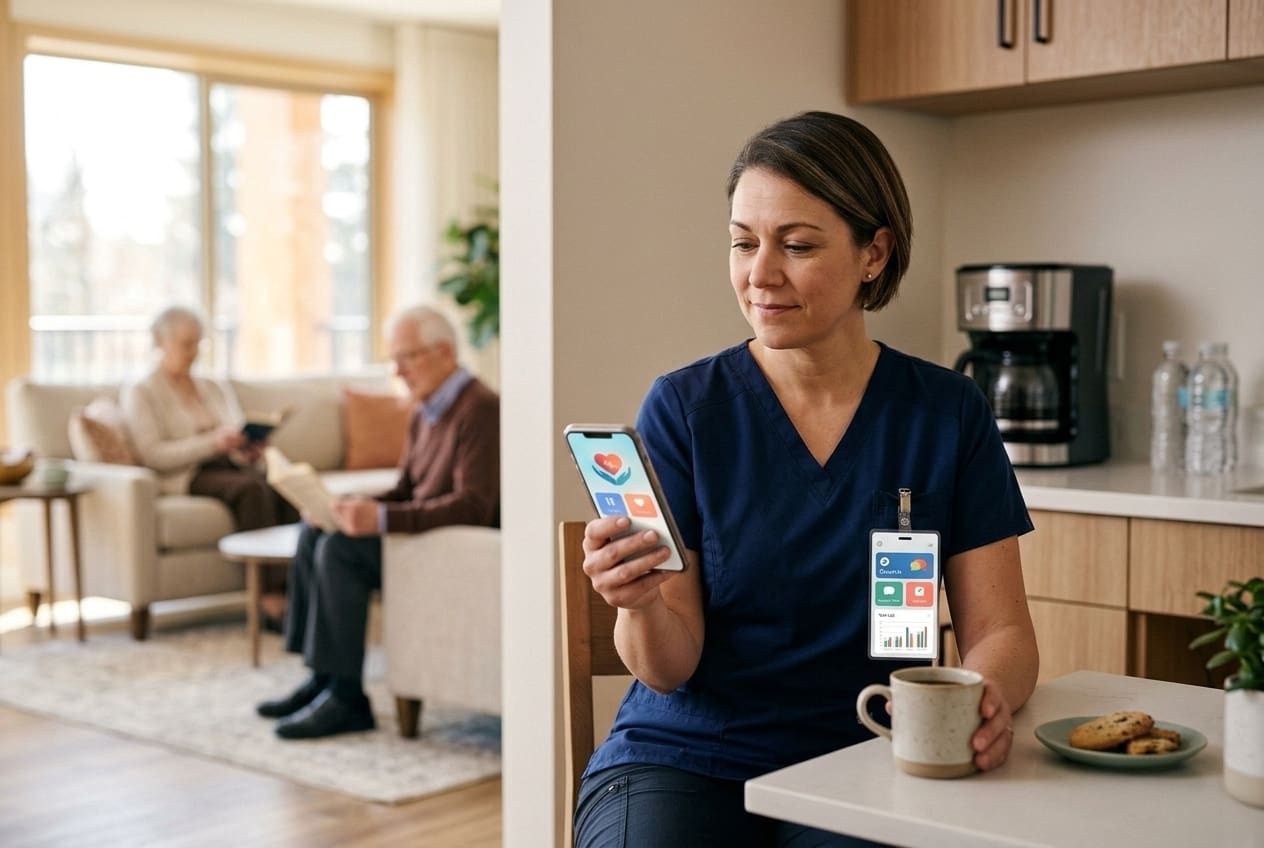
Frontline caregivers and aides are often offered limited supplemental coverage, and low pay is the leading reason they plan to leave the sector. Burnout and emotional strain drive many of the rest. Give this workforce real care they can use and a measurable increase in take-home pay, and more of them stay. There is a fuller retention playbook in the resources below.
Frontline caregivers and aides are often offered limited supplemental coverage. A benefit that adds protection is a retention tool.
Low pay is the leading reason caregivers plan to leave the sector. A measurable take-home increase speaks to it directly.
Burnout and emotional strain drive caregiver departures. See the retention playbook at /resources/retention.
How Optiv Advantage works for a community
Optiv Advantage uses a Section 125 structure, which means qualifying benefit premiums come out of pay before payroll tax is calculated. That lowers the wage base the community and the caregiver are both taxed on. Here is where the saving becomes concrete, and how it reaches your bank account. Each pay period, whoever runs payroll drops your payroll report into a calculation engine we provide. The engine returns an updated payroll with the benefits already calculated, and it flags new hires and terminations so people are added to or removed from the plan and enrollment outreach starts on its own. Because each caregiver's qualifying premium is now taken out before tax, the wage base is lower, so the FICA you deposit with that payroll is smaller. You keep the difference. It is not a rebate you wait for and not a check that arrives later. It is simply a smaller FICA deposit on the very next run, which means the cash stays in your account instead of leaving it. That drop-in step is what calculates your reduced FICA each cycle. It adds about five minutes and five clicks, and everything after the drop is handled for you. That is what we mean when we say we do the work. Coverage is provided by an A-rated, state-licensed insurance carrier. Implementation and the full mechanics are covered on the How It Works page.
WORKED EXAMPLE
Take one caregiver who elects pre-tax premium under the plan. The community calculates its FICA deposit on that caregiver's wages after the premium is taken out, not before. The result is a smaller FICA deposit for that caregiver on the very next payroll, and up to $957 less over the year. Across a full roster of enrolled caregivers, that recovery adds up to real money the community keeps each year. The figure is illustrative. The exact amount is modeled to each census and depends on participation and election levels.

What the math looks like across your workforce
Modeled on a 100-employee community at the industry turnover rate, with a conservative reduction in line with what meaningful financial benefit programs are associated with in retention research. The turnover figures are industry data and are cited below. The Optiv savings are shown as a range. The exact figure is modeled to your census in a gated proposal.
Without Optiv Advantage
turnover at the industry rate — replacement cost of $3,000 to $6,000 per caregiver across recruiting, credentialing, onboarding, and agency labor — no payroll tax recovered.
With Optiv Advantage
fewer replacements as retention improves — plus recovered payroll tax on every participating dollar.
Net annual value for a 100-employee community
a range combining recovered payroll tax and reduced turnover cost — exact figure modeled to your census.
Turnover figures are industry data, cited below. Optiv savings reflect program averages and are modeled to each census. Individual results vary. A 5 to 20% turnover reduction is consistent with documented outcomes when employers add meaningful financial benefit programs.
What the caregiver actually receives
The plan is built to be felt in the first paycheck and the first time a caregiver needs care. It pairs a measurable take-home increase with coverage this workforce rarely gets. Virtual Urgent Care connects the caregiver and family to a board-certified physician around the clock, usually in under 15 minutes, and Virtual Primary Care gives them a dedicated PCP, both with no copay and no deductible. Their Health Maintenance Benefit is included. Optiv Access pairs with the Advantage plan to bring entry-level virtual care to part-time and contingent caregivers, and its cost nets against the payroll-tax recovery rather than adding an expense.
A measurable increase in take-home pay, modeled to the caregiver's situation.
Virtual Urgent Care and Virtual Primary Care with no copay and no deductible, for the caregiver and their family.
Mental-health support through the EAP, which addresses the burnout and emotional strain that drive caregiver departures.
Supplemental accident, critical illness, and cancer coverage for a workforce that rarely receives it.
Work Shield workplace-misconduct resolution as a bundled bonus, resolving issues about 80% faster than the national average.
Indemnity payments are potentially taxable on the excess.


The value compounds with every caregiver you keep
The payroll-tax recovery scales with the number of enrolled caregivers, and the turnover savings scale with how many stay. Across a 50, 100, or 250-employee community, both move in the same direction and compound every year the plan is in place. Larger operations see larger recovery. The per-employee logic does not change.
50 employees
recovered payroll tax plus reduced turnover cost, modeled to census.
100 employees
a combined annual range, modeled to census.
250 employees
the same logic at greater scale, modeled to census.
SOURCES
- Hospital and Healthcare Compensation Service, 2025 Assisted Living Salary and Benefits Report (with LeadingAge and NCAL). Assisted living staff turnover of 34.53% in 2025; resident assistant and personal care aide roles 40 to 43%.
- Kare caregiver survey, 2024. About 29% of licensed caregivers planning to leave cited low pay; 16% cited burnout.
- Senior living workforce reporting. About 63% of assisted living communities report a staff shortage; 87% report difficulty hiring.
- Industry replacement-cost estimates. Replacing a single CNA or caregiver commonly costs $3,000 to $6,000.
- U.S. Bureau of Labor Statistics, Job Openings and Labor Turnover Survey, Table 20 (released March 2026), health care and social assistance.
- Optiv Advantage program data. Employer FICA recovery of up to $957 per enrolled employee per year; employee take-home increase varies from as little as $5 a week to over $100 a month.
Know your numbers, before you make the call
The plan is engineered. The math is yours. Calculated, not recommended.

The Optiv Group helps employers evaluate tax-advantaged benefits strategies, payroll-linked savings opportunities, and modern coverage paths with compliance-aware plan design.
Resources
Get strategy updates
Receive calculator updates, compliance education, and benefits strategy resources.
833-MY-OPTIV
info@theoptivgroup.com
info@theoptivgroup.com
© 2026 The Optiv Group. All rights reserved.
Educational content only. Savings estimates are not guarantees and require plan-specific review.